August Bīlenstein - 195!
Thanks to the ethnographer and pastor August Bīlenštein (1826 - 1907), Dobele has become one of the first places in Latvia where the planting, cultivation and selection of lilac varieties began at the end of the 19th century. On March 4, we celebrate the 195th anniversary of this outstanding Dobele resident.
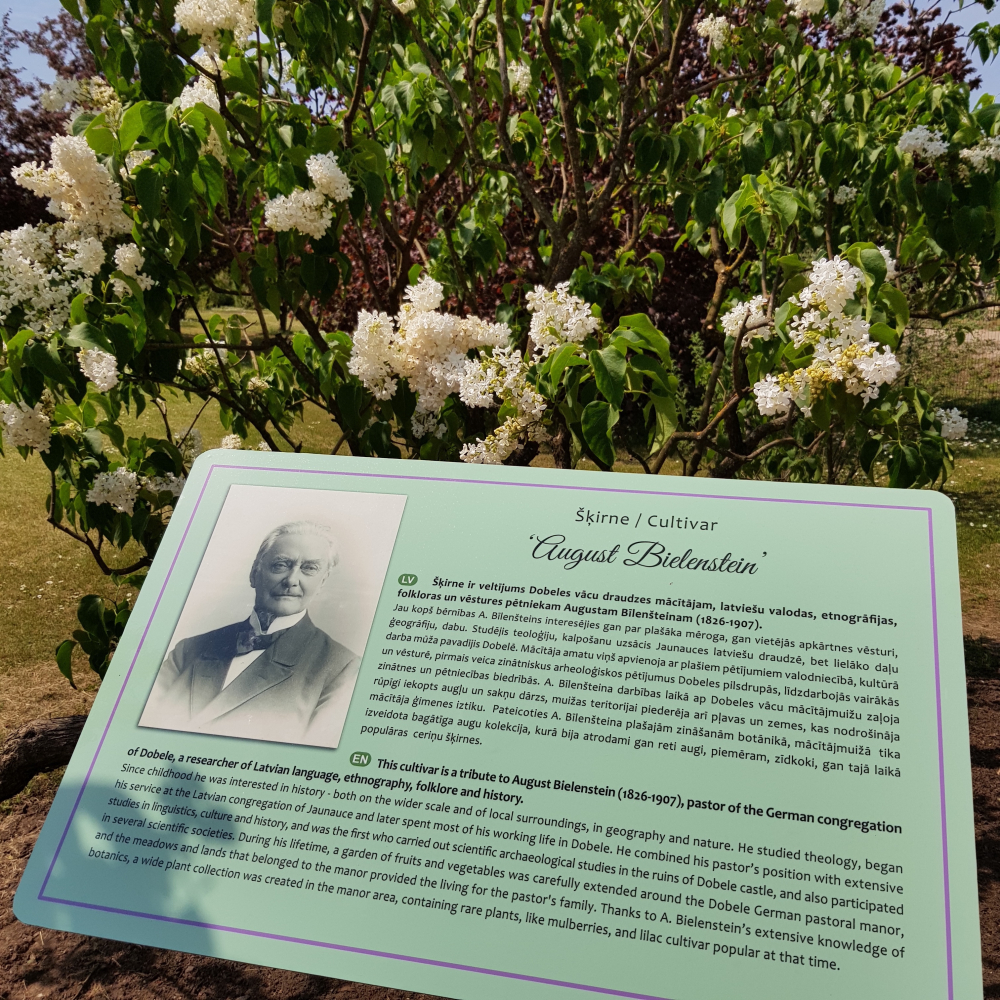
Since childhood, A. Bīlenstein was interested in both the history, geography and nature of the wider and local area, so he later combined his pastorate with extensive research in linguistics, culture and history and participated in several scientific and research societies. He was the first to conduct scientific archaeological research in the ruins of Dobele Castle. During Bīlenstein's work, a carefully cultivated fruit and vegetable garden flourished around the Dobele German parsonage, and meadows and lands spread around the manor, which ensured the livelihood of the pastor's family. The pastor's extensive knowledge of botany allowed him to create a rich plant collection there, which also included lilac varieties popular at that time.
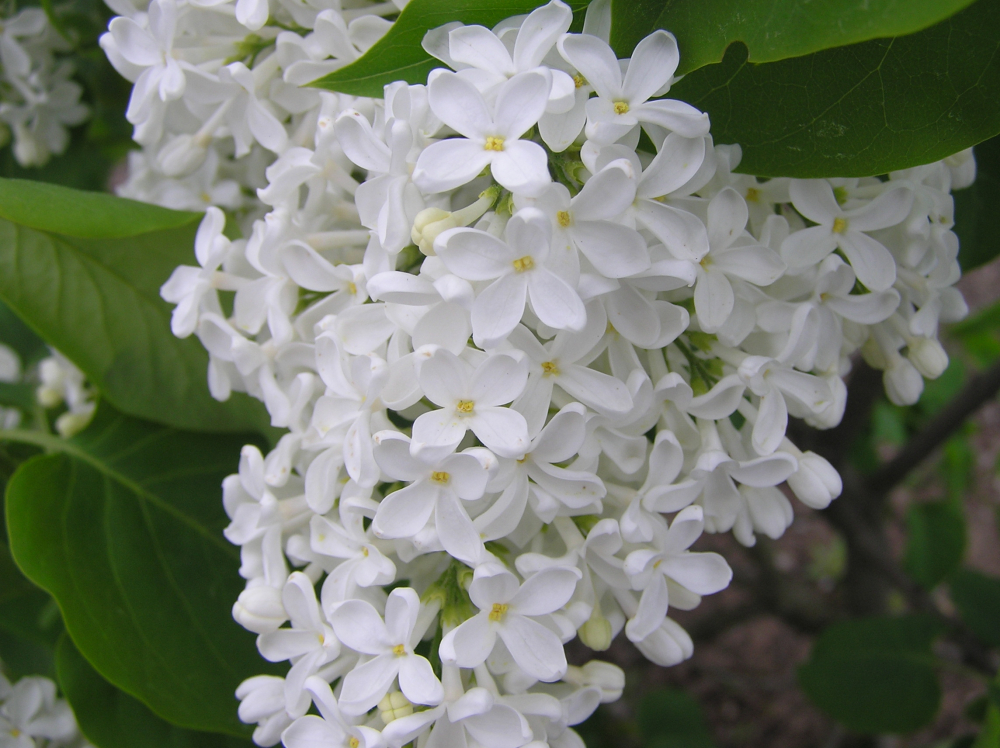
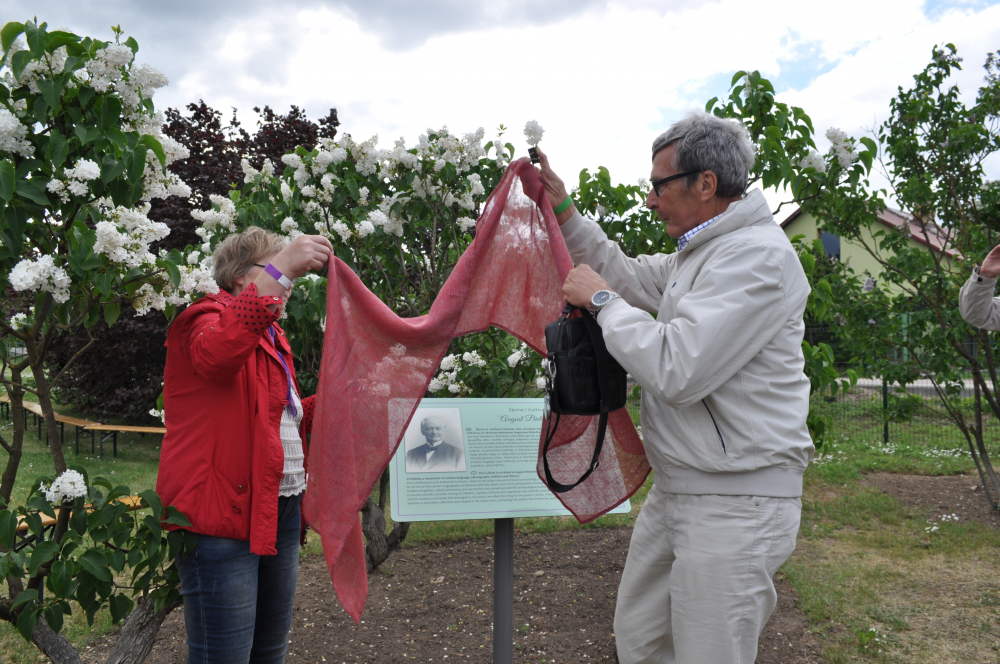
In honor of A. Bīlenšteins' merits, one of the new lilac varieties was given the name 'August Bielenstein' in May 2019. This variety was started by Pēteris Upītis, but since it takes several decades to create a new lilac variety, it was led by the institute's leading researcher and breeder Sarmīte Strautiņa to achieve today's beloved result.
You can read more about the origins of lilac breeding in Latvia here .